
Scène de Die Schlüssel (1974)


Détails de la scène
| Durée: 195 sec.. | Nudité: yes | Créateur: supers992 |
| Nouvelle taille de fichier: Loading... | Son: yes | Ancienne taille de fichier: 149 mb |
| Format de fichier: AOMedia Video 1 (WebM/AV1) | Résolution: 1476x1080 | Ajouté: 2026-04-14 |
Actrices dans cette scène
Détails
Noms alternatifs: Ютта Хофман, Ютта Хоффман
Caractéristiques physiques: N/A
Carrière
Premières apparitions:
Rôles les plus importants:
Points forts de carrière:
Biographie complète
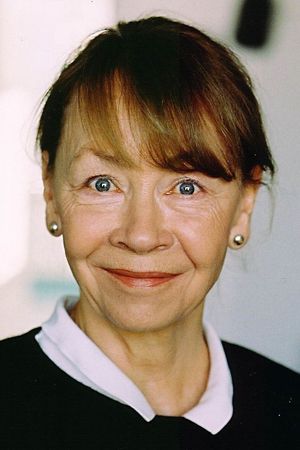
Jutta Hoffmann is a distinguished German actress of stage and screen, widely regarded as one of the most significant performers of the post-war era in Germany. Born on March 3, 1941, in Halle an der Saale, Germany, her birth name is Jutta Hoffmann.
She began her career in the GDR (East Germany), where she became a prominent member of the Berliner Ensemble and later the Maxim Gorki Theatre. Hoffmann gained international acclaim for her nuanced portrayals of complex, often defiant women. Her collaboration with director Egon Günther was particularly fruitful, leading to iconic performances in films such as The Third (1972), for which she won the Best Actress award at the Venice Film Festival, and the 1974 drama The Keys (Die Schlüssel).
Following the "Biermann affair" in 1976, she faced increasing professional restrictions in the East and eventually moved to West Germany in the early 1980s. There, she continued her successful career in theater and television, notably appearing as a detective in the long-running crime series Polizeiruf 110. Throughout her life, she has been honored with numerous accolades, including the German Film Award for her lifetime achievement.
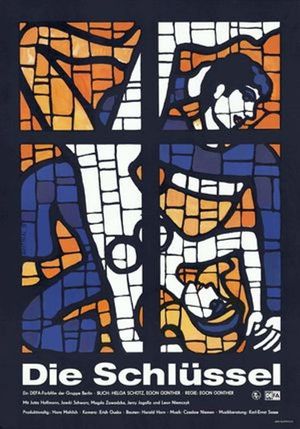
À propos du film: Die Schlüssel (1974)
Titre alternatif: Klucze
Réalisateur: Egon Günther
Scénariste: Egon Günther, Helga Schütz, Werner Beck
Production & Genre
Histoire
During their holiday in Kraków, a young worker and a student find themselves navigating their relationship despite their differing views on life. Their love is tested when an accident occurs, leading to the girl's untimely death. The young man is left grappling with his own lack of understanding and inability to connect with others, forcing him to confront these personal shortcomings.
Résumé
'Die Schlüssel' (The Keys) is a German drama directed by Egon Günther in 1974. Set against the backdrop of Kraków, Poland during their holiday, the film explores the complex dynamics of love between two individuals from different backgrounds—the young worker and the student. The narrative delves into the challenges they face in sustaining their relationship amidst contrasting life perspectives. A tragic accident serves as a catalyst for the protagonist's personal growth, ultimately highlighting his inability to understand others and his struggle with interpersonal connections.